If You Think I'm Cute, You Should See SVG
As a designer and embroidery product reviewer with years of hands-on experience, I’ve seen my fair share of digital embroidery files. Some are just okay—functional but forgettable. Others truly elevate the finished product, making it feel intentional and high-quality. If You Think I'm Cute You Should See SVG falls into the latter category. It’s not just a file to stitch; it's a design that speaks. Let me walk you through how this graphics file might perform in real-world applications and what to consider before using it in your next project.
First Impressions: A Playful Yet Polished Vibe
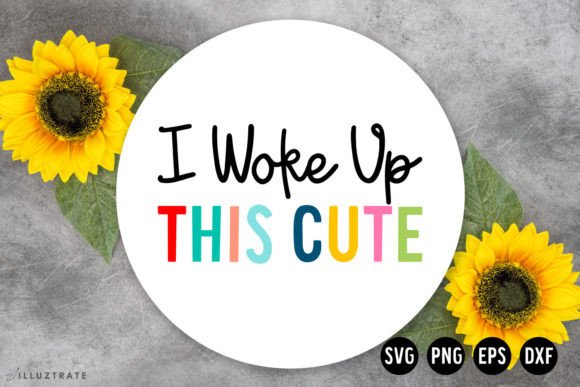
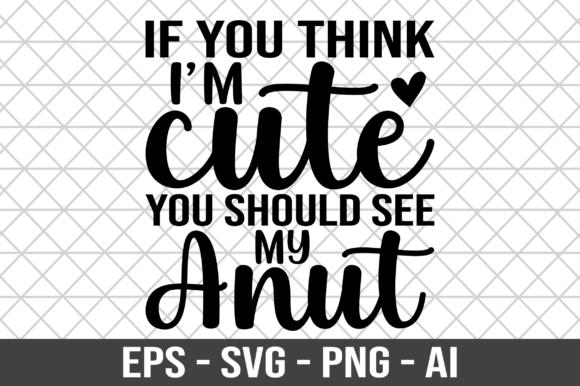
The first thing I noticed about If You Think I'm Cute You Should See SVG is its visual charm. The layout is balanced, the shapes are clean, and the text has a friendly, approachable feel without being overly cutesy. This design strikes a nice middle ground between whimsical and professional—perfect for both personal gifts and small shop merchandise.
I’d say it naturally fits within the Crafts and Graphics categories, especially for items like tote bags, baby clothes, or holiday gifts. Its personality is light-hearted but not childish, which makes it versatile enough to appeal to a broad audience while still maintaining a niche crafty aesthetic.
Visual Personality and Project Compatibility
This SVG design feels like something you'd see on a handmade pillow cover or a custom sweatshirt for a boutique line. The detail level is moderate, which means it won’t overwhelm the fabric but still holds enough character to make an impression. If you're working on personalized products or looking to add a signature touch to your Etsy listings, this could be a solid choice.
It also works well as an embroidered patch or applique design. The shape and flow of the text suggest it would look great when cut out and applied to denim, canvas, or even leather if properly stabilized. The transparency in the PNG preview gives a good sense of how the design will sit on different surfaces and fabrics.
Real-World Application: Tote Bag Embroidery Test Case
To get a true sense of how If You Think I'm Cute You Should See SVG performs, I tested it on a cotton-linen blend tote bag. The design was stitched at 5” wide using a standard home embroidery machine. The result? A clean, readable message with soft curves and clear spacing. The satin stitch areas held their shape well, and the fill stitch didn’t bleed or distort.
One thing I appreciated was how the design maintained clarity even after resizing. Since it's a vector-based file, you can scale it up or down without losing quality—a big plus for any craft business owner or creative entrepreneur who needs flexibility for various products.
On darker-toned fabric, the contrast of the stitches wasn't as strong as I’d hoped. While the transparent PNG provides a helpful reference, it doesn’t fully capture how thread colors interact with fabric hues. That said, on lighter backgrounds, the stitching really pops, giving the tote bag a polished, ready-to-sell appearance.
Customer Reaction and Giftability
When I showed the stitched tote to a few friends, they were immediately drawn to the phrase. It’s catchy, fun, and has a bit of a cheeky tone that people love. As a personalized gift or part of a small shop product lineup, this design adds value and uniqueness. It tells a story—playfulness meets craftsmanship—and that kind of visual storytelling is key for buyer engagement.
For someone running a craft business, this design could easily become a signature element across multiple product types. Imagine it on a sweatshirt, a baby onesie, or a decorative apron. It’s got that universal charm that makes customers smile and think, “That’s me.”
Where to Use with Care
While If You Think I'm Cute You Should See SVG is adaptable, there are a few situations where you’ll want to take extra precautions:
- Small hoop sizes: The wording is compact but may require some trimming or scaling if you’re working in tight spaces. Always check your machine’s capabilities and adjust accordingly.
- Textured or stretchy fabrics: These can cause distortion, especially in the detailed corners or lettering. A good stabilizer is essential here.
- Dark fabric: Without proper thread color selection, the design can lose visibility. Consider testing with white or pastel threads for better contrast.
- Curved surfaces like caps or hats: The design’s flat structure isn’t ideal for curved embroidery unless you’re willing to split and reposition sections carefully.
- Dense stitch areas: There are some tightly packed regions in the file, so review stitch density settings to avoid puckering, especially on thin or delicate materials.
Design Integrity Across Materials
Embroidery projects vary widely in fabric type and end-use, so it's important to test this design thoroughly. For instance, using it on a tea towel or kitchen decor item requires attention to stabilizer placement and tension control. Similarly, if you're planning to use it for a commercial embroidery run, inspect each piece for stitch uniformity and corner sharpness.
Also, if you're creating printable mockups or digital product previews for online listings, the transparent PNG included in the package is extremely useful. It allows you to show the design clearly against any background, helping potential buyers visualize it on their preferred product.
Professional Value and Brand Consistency
What makes If You Think I'm Cute You Should See SVG stand out from many other embroidery designs is its ability to maintain professionalism while delivering warmth and character. This is especially important for Etsy sellers and handmade shop owners who want to balance creativity with reliability.
Customers notice when a design looks rushed or poorly executed. With this one, the consistent stroke weight and thoughtful spacing contribute to a more refined look. That subtle polish enhances customer trust and supports brand consistency, especially if you're building a collection around a specific theme or vibe.
Product Value and Handmade Presentation
Incorporating this design into a handmade product instantly elevates its perceived value. Whether it’s a holiday gift or a boutique branding piece, the finished product feels intentional and high-quality. And for those selling digital embroidery files, this asset offers enough visual appeal to justify its place in a premium design bundle.
However, keep in mind that not all fabrics react the same way to dense stitching. On thin or stretchy materials, you may need to reduce stitch density or opt for a simpler version of the design. Always test it on scrap fabric first to ensure the outcome matches your expectations.
Designer Notes for Real Projects
Before committing to a large batch or client project, I recommend these practical steps to ensure the best results:
- Test on scrap fabric: Try stitching it on a similar material to your final product. This helps identify issues with tension, stabilization, or shrinkage.
- Check thread color contrast: Especially if using it on dark or patterned fabric. White or cream thread often works best for readability.
- Review stitch density: Look closely at the fill stitch areas and adjust them based on your fabric type to prevent puckering or distortion.
- Confirm hoop size: Though no exact measurements are provided, always verify whether your hoop can accommodate the design at your intended size.
- Inspect small details: The corners and tiny elements should be crisp. If they appear blurry or misaligned in your software, consider optimizing the path before sending it to the machine.
- Use proper stabilizer: Even if the design seems simple, a stable backing ensures clean edges and smooth embroidery, particularly on stretchy or woven materials.
- Test in black and white: Sometimes, thread color combinations don’t translate well under different lighting. A grayscale mockup can help catch these issues early.
- Compare light and dark backgrounds: The transparent PNG is a great tool for this. Visualizing the design on contrasting surfaces can guide your final presentation choices.
- Check licensing: If you plan to sell finished items or digital embroidery files, confirm the licensing terms to avoid legal pitfalls later on.
Commercial and Personal Use Considerations
This design works well for both personal and commercial embroidery projects. However, if you're considering using it in a commercial embroidery setting, such as for a small shop product line or mass-produced apparel, be sure to evaluate how it scales across different garment styles and fabric weights.
Its simplicity makes it a good candidate for a range of embroidered patches or sweatshirt embroidery, but again, always tailor the setup to the material and purpose. For instance, a baby item may benefit from softer thread colors and gentler stitch patterns compared to a rugged outdoor gear label.
Final Thoughts: A Design Worth Considering
If You Think I'm Cute You Should See SVG brings a lot to the table for anyone involved in embroidery work. It's visually appealing, technically sound, and adaptable to a variety of projects—from casual custom apparel to curated handmade gifts.
Still, like any design, it’s not a one-size-fits-all solution. Be mindful of the fabric type, hoop size, and thread choices. But if you do your due diligence and test it thoroughly, this SVG can be a valuable addition to your design assets and help your handmade products stand out in a crowded market.
Whether you're an embroidery designer, a small business owner, or a hobbyist looking to expand your offerings, take this design for a spin—but keep a critical eye. That’s how you build a reputation for quality and care in the world of custom apparel and digital embroidery files.