I Don t Sugar Coat SVG Review: A Bold Statement for Real Projects
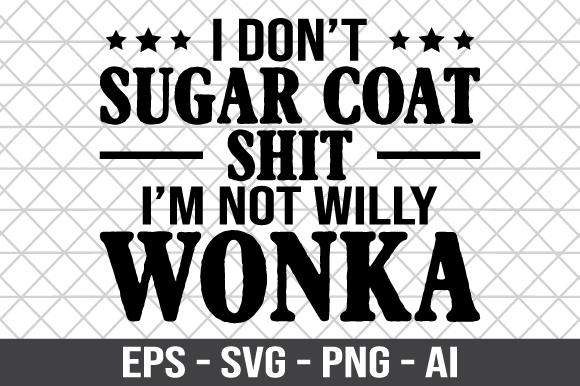
When I first opened the I Don t Sugar Coat SVG design file, I was immediately struck by its personality. This is not a subtle or minimalist embroidery design—it’s bold, confident, and carries an unmistakable message. The layout is clean but impactful, with strong typography that feels modern and slightly edgy. The phrase itself, “I Don’t Sugar Coat,” suggests a no-nonsense attitude, which translates well into both personal and commercial embroidery projects.
A First Impression That Sparks Ideas
The visual character of this design makes it ideal for custom apparel, especially if you're targeting a demographic that values authenticity and straightforwardness. As an experienced embroiderer, I know how important it is for a design to resonate with its audience before even being stitched. I Don t Sugar Coat SVG has that kind of presence. It feels like it could work on a sweatshirt, tote bag, or even as an embroidered patch—depending on how you approach it.
What stands out is the way the text is structured. The letters are spaced evenly and have enough detail to remain legible at various sizes. However, there are some intricate elements in the corners and along the edges that add flair without overwhelming the overall message. For those who want a design that can be resized while still maintaining clarity, this one checks that box. But don’t let that fool you—it’s not a one-size-fits-all solution.
Where This Design Shines in Real Embroidery Use
- Tote Bags: The flat, graphic nature of the design works exceptionally well here. It reads clearly from a distance and adds a stylish, empowering statement to reusable bags or promotional items.
- Sweatshirts & T-Shirts: If you're looking to create a trendy custom sweatshirt or tee for your Etsy shop or small business, this design brings a strong voice. It complements oversized fits and urban styles particularly well.
- Baby Clothes & Apparel: While the tone is more adult, the simplicity of the design allows for creative adaptations—like using pastel thread colors or soft fonts—to make it suitable for a baby line with a gentle twist.
- Pillow Covers & Home Decor: The transparent PNG included in the package gives you flexibility when previewing how the design might look on fabric. On pillow covers or tea towels, it becomes a decorative yet meaningful addition.
- Commercial Embroidery: The vector format means it can easily be integrated into digital embroidery files, making it a good candidate for bulk orders or branded merchandise. Just be sure to test stitch density and hoop size before committing to large runs.
Design Performance on Fabric and Stitch Quality
Embroidery isn't just about the visual—it's also about how the design behaves under the needle. When I tested I Don t Sugar Coat SVG on a few different materials, I noticed some variations in performance. On cotton blends, the design held up well with a balanced mix of satin stitch and fill stitch. The corners were crisp, and the lettering had good coverage without being too dense.
However, I observed that on stretchy or thin fabrics, such as jersey or lightweight linen, the design required careful handling. Because of the detailed elements and larger text areas, stitch tension and stabilizer choice became crucial. Without proper backing, the fabric tended to pucker slightly, especially around the tighter curves and lines.
One thing I appreciated was the inclusion of multiple file formats: AI, EPS, SVG, and a transparent PNG. These give you control over how you edit and preview the design before stitching. As a designer, I always recommend testing on scrap fabric first to ensure the design maintains its integrity across different materials and machines.
When to Approach With Caution
- Small Hoop Sizes: The design is quite compact, but the level of detail may require more space than expected. If you plan to use it in a tiny hoop, consider simplifying the corners or reducing the number of color layers.
- Textured Fabrics: If you’re working with denim, canvas, or flannel, the texture can affect how the stitches lay down. You may need to adjust stitch density or choose heavier-weight threads to maintain definition.
- Dark Fabric Backgrounds: The design uses standard thread color references, so you’ll need to select thread shades that contrast well against dark backgrounds. Testing in black-and-white mockups can help avoid any visibility issues.
- Products That Need Frequent Washing: Dense areas may wear faster over time. To preserve quality, opt for durable fabrics and high-quality threads, especially if this will go on aprons, uniforms, or other frequently laundered items.
- Curved Surfaces: While the design is adaptable, applying it to curved surfaces like caps or hats requires careful alignment and possibly adjusting the placement for optimal visual impact.
Enhancing Visual Appeal and Professionalism
In terms of visual appeal, I Don t Sugar Coat SVG is a winner. It’s versatile enough to fit a range of aesthetics—from streetwear to boutique branding. The transparency in the PNG file helps when creating printable mockups or previews for your online listings. This is particularly valuable for digital product sellers or Etsy sellers who rely on accurate visual representations to engage buyers.
For handmade products or personalized gifts, the design elevates the perceived value of the item. It conveys a sense of confidence and individuality, which can make your finished product stand out in a crowded market. Whether it’s a holiday gift or a wedding accessory, the right thread palette can turn this into a professional-grade embroidered patch or sweatshirt embroidery.
Customer Reactions and Brand Consistency
As someone who often works with real clients, I’ve found that designs like I Don t Sugar Coat SVG can spark strong reactions. Customers either love the boldness or find it too direct—but there’s rarely anything in between. This makes it perfect for niche markets where clear messaging and personality matter most.
If you're building a brand around empowerment, transparency, or minimalistic style, this design can serve as a consistent visual anchor. Used across small shop products like aprons, kitchen towels, or patches, it reinforces your brand identity while offering something visually cohesive.
Designer Notes for Optimal Results
Before jumping into production, here are a few practical tips based on my experience with I Don t Sugar Coat SVG:
- Test on Scrap Fabric: Always do a trial run to see how the design holds up on your specific material and machine setup.
- Check Thread Color Contrast: Especially on dark or textured fabrics, choose thread colors that pop and ensure readability.
- Review Stitch Density: Adjust fill or running stitches as needed depending on the fabric weight and desired finish.
- Confirm Hoop Size: Even though the design is compact, some details may require a bit more room than expected.
- Inspect Small Details: The corners and edges are stylized—make sure they stitch cleanly and don’t distort during resizing.
- Use Proper Stabilizer: Especially for stretchy or thin materials, a cutaway or tear-away stabilizer can make all the difference.
- Consider Licensing Before Selling: Since this is a graphics-based design intended for real project use, confirm licensing permissions before selling finished products or digital assets.
Final Thoughts on Practical Use
I Don t Sugar Coat SVG is a design that speaks volumes without needing much embellishment. Its strength lies in its versatility and the emotional resonance it brings to a wide array of craft business applications. From tote bag designs to holiday embroidery, it can become a signature element in your collection of machine embroidery designs.
But remember, what looks great in a vector file doesn’t always translate perfectly to fabric. The key is understanding how to adapt it to your materials and methods. By taking the time to evaluate its behavior in real-world conditions, you’ll not only improve the quality of your handmade products, but also build customer trust through thoughtful execution.
This is the kind of design that can elevate your embroidery project from average to memorable. Just pair it with the right fabric, stabilizer, and thread, and you’ll be well on your way to crafting something that stands out—and lasts long after the first wash.