Home the Story of Who We Are
As an embroidery designer with years of experience in crafting custom products for both personal and commercial use, I approach new designs with a critical eye. When I first opened the Home the Story of Who We Are digital embroidery file, I was immediately drawn to its thoughtful layout and emotional resonance. This design isn't just about stitching—it's about storytelling through craft.
A Warm and Welcoming Design
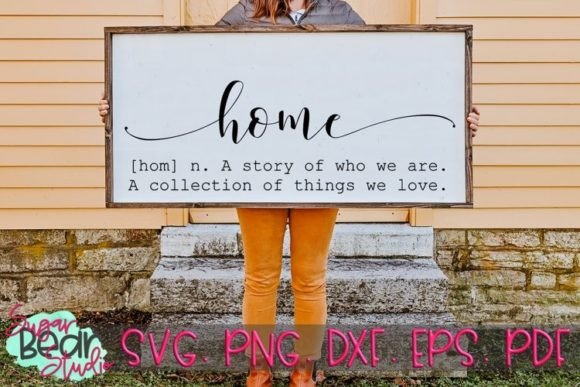
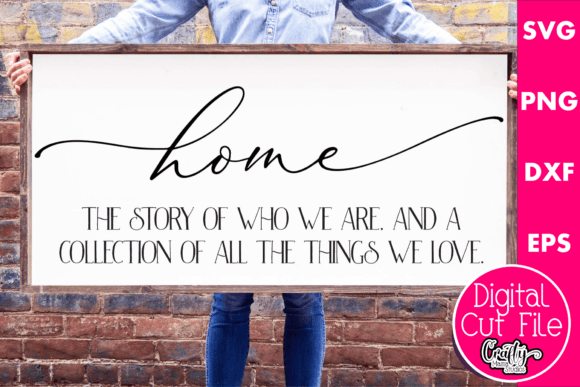
The phrase “Home is where we begin the story of who we are” carries a gentle sentiment that’s perfect for projects centered around identity, family, or memory. The typography feels hand-drawn yet structured enough to maintain clarity when stitched. It has a soft, inviting feel—ideal for creating pieces that resonate on a personal level, like custom sweatshirts or personalized nursery decor.
I noticed that the design includes a subtle visual element that complements the text. While it doesn’t overwhelm the message, it adds enough character to make the piece feel cohesive and intentional. The balance between negative space and filled areas gives it a farmhouse-style charm without leaning too heavily into clichés. It’s versatile and adaptable, which is always a win for any creative entrepreneur looking to build a diverse product line.
First Impressions and Project Suitability
This design naturally fits into home décor items, such as pillow covers, kitchen towels, and aprons. It also works beautifully on tote bags and custom apparel, especially if you're targeting clients who appreciate sentimental, lifestyle-driven products. As a machine embroidery design, it reads well across multiple formats: SVG, EPS, DXF, and PNG are all included, giving you flexibility depending on your tools and workflow.
What stands out is how this design could serve as a foundational embroidery project for a small shop owner aiming to launch a themed collection. Whether you’re creating personalized gifts or branding materials for a boutique, the theme of “home” is timeless and marketable.
Real-World Performance in Embroidery Projects
Let me walk you through a practical scenario. Imagine you're preparing a custom embroidered tote bag for a client—a modern mom who wants something meaningful yet stylish for her daughter’s birthday. You select the Home the Story of Who We Are design because it speaks directly to the concept of family and belonging. Now, here’s what I look for:
- Stitch Clarity: The lettering is bold but not overly thick, so it should stitch cleanly even at medium sizes. I’d test the satin stitch outlines to ensure they don’t feather on lighter-weight cotton blends.
- Layout and Proportion: The design is laid out horizontally, which makes it ideal for t-shirts, sweatshirts, and tote bags. But if you plan to use it vertically, say on a cap or baby blanket, you may need to adjust the positioning and scale accordingly.
- Detail Level: The accompanying visuals (like a simple house or leaf motifs) add depth without being too intricate. That means fewer fill stitches and less risk of distortion, especially on stretchy or textured fabrics.
- Thread Color Contrast: Depending on the fabric background, thread colors might need tweaking. For example, on a dark denim tote, white or cream thread would pop more than pastels. Always check color contrast before finalizing production.
When using this design on a sweatshirt, I recommend a larger hoop size to accommodate the full quote and visual elements. The design’s width is generous, so you’ll want to avoid cramped placement. A good rule of thumb is to leave at least ½ inch from the edge of the garment to prevent shifting during washing or wearing.
For smaller projects, like an embroidered patch or a cap design, the text can be scaled down, but the supporting graphics might lose their impact. In these cases, consider isolating just the textual portion and simplifying the graphic elements to maintain legibility and aesthetic appeal.
Design Considerations for Different Fabrics
One thing I’ve learned over the years is that fabric choice significantly affects the outcome of an embroidery file. Here’s how this design performs based on material:
- Cotton and Linen Blends: These work best due to their smooth texture and ability to hold tight stitches. The design will retain detail and won’t distort easily.
- Stretchy Knits: Use caution. If the design contains dense areas or corners with many stitch directions, stretching could cause puckering. Test on a scrap swatch first.
- Dark Fabrics: The design looks great, but thread visibility matters. I’d suggest using light-colored threads or adding a running stitch border to frame the piece.
- Tiny Hoop Sizes: Avoid unless you’re willing to edit the design extensively. The original layout is meant for a moderate to large area, and scaling it down risks losing the intended message and visual harmony.
Where This Design Shines
Home the Story of Who We Are truly shines on handmade products that benefit from a touch of personality. Think of it as the kind of design that turns a plain apron into a cherished keepsake or elevates a basic tea towel into a statement piece for a kitchen wall.
It’s also excellent for personalized gifts, especially if paired with additional details like names, dates, or location coordinates. The design’s warm tone makes it suitable for holiday gifts, wedding favors, or even nursery wall art. For an Etsy seller, this could be a standout listing when presented with high-quality mockups and clear instructions.
From a brand-building perspective, this design helps establish a consistent visual language. If you're creating a line of small shop products under a “home & family” theme, using this design repeatedly across different items reinforces your brand identity and makes your offerings instantly recognizable.
Professional Presentation and Customer Engagement
When it comes to customer trust and engagement, the quality of the embroidery project plays a big role. A clean, professional-looking finished product tells clients that you care about the details. With “Home the Story of Who We Are,” I find that the design’s simplicity allows for a polished finish that appeals to both casual crafters and serious commercial embroidery clients.
Visually, the design adds value by making the item feel curated rather than generic. On a tote bag, it becomes more than a carry-all—it becomes a personal emblem of home and love. That emotional connection increases the perceived value of your handmade product and can justify a higher price point.
But remember: not every fabric or surface is created equal. If you're planning to stitch this onto a curved surface like a cap, or onto a thin, delicate textile, you’ll need to adjust the stitch density and possibly simplify the design. Always preview the design using a printable mockup to see how it looks before committing to a batch of finished products.
Designer Tips for Optimal Results
If you’re considering using Home the Story of Who We Are in your next project, here are some key tips based on real-world application:
- Test on Scrap Fabric First: Especially if you're working with a new machine or unfamiliar stabilizer. See how the design holds up after washing and wear.
- Check Thread Colors Against Your Background: Even if the design suggests specific colors, lighting and fabric dye can alter perception. Always do a quick black-and-white mockup to evaluate contrast.
- Review Stitch Density: Dense stitch areas may require extra stabilizer or backtacking. If you're embroidering on a stretchy fabric, reduce stitch density slightly to prevent puckering.
- Confirm Hoop Size: This design likely needs a minimum of a 6x10 hoop. If you're shrinking it for a patch or small project, make sure you still have enough room for the stabilizer to support the design.
- Inspect Small Details: Look closely at the corners and curves of the text. Any tiny lettering or fine lines should be tested for clarity and stitch integrity.
- Use Proper Stabilizer: For delicate or woven fabrics, a tear-away or cut-away stabilizer can help preserve shape and detail. For heavier textiles like canvas, a no-show stabilizer may suffice.
- Consider Commercial Use Restrictions: Since the product description doesn’t include licensing terms, double-check whether you can use it for resale or mass production. Many SVG files come with limitations unless specified otherwise.
Final Thoughts on Practical Application
In my experience, a successful embroidery design is one that adapts to various contexts while maintaining its core message. Home the Story of Who We Are does this well. It brings a sense of warmth and intentionality to any project, which is exactly what today’s craft buyers are looking for.
Whether you're an apparel decorator, an Etsy seller, or someone building a craft business, this design offers a solid foundation for creating personalized gifts and custom apparel that speak to the heart. Just be mindful of fabric types, hoop sizes, and stitch behavior—especially in high-detail zones.
Take time to understand how the design interacts with your chosen materials. With a little preparation and testing, you’ll be able to produce embroidered patches, tote bag designs, and other graphics that stand out in the crowded world of crafts and digital embroidery.
And if you're using it as part of a design assets library, keep track of how it complements other elements. Consistency across your product line builds recognition and trust—two essential components for any creative entrepreneur looking to grow their handmade shop.