Hate Me Oh Well I’m Still Going to Do Embroidery Design Review
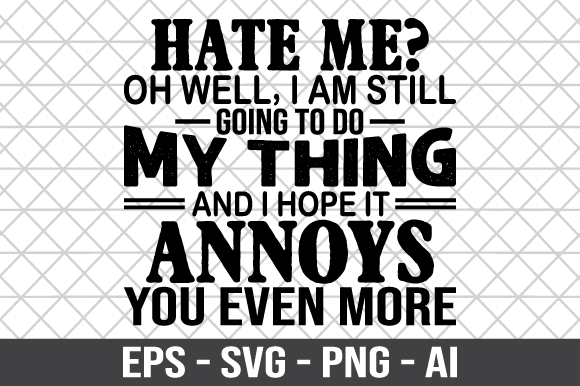
As an experienced embroidery designer and product reviewer, I’ve evaluated countless digital embroidery files for real-world use. The design Hate Me Oh Well I’m Still Going to Do caught my attention with its bold, expressive phrase and clean visual layout. It’s the kind of design that speaks to a personality—confident, unapologetic, and ready to make a statement. But how does it translate from screen to stitch? Let’s dive into what this machine embroidery design brings to the table.
First Impressions: Mood and Layout
The phrase “Hate Me Oh Well I’m Still Going to Do” has a strong, rebellious tone, which is reflected in the design's typography and spacing. The letters are stylized but still legible, with enough flair to stand out without being overly complex. This makes it ideal for custom apparel or handmade products where you want a bit of edge without sacrificing readability.
I noticed that the design uses a mix of satin stitch along the outlines and fill stitch within certain areas to add dimension. There are no intricate details or tiny lettering, which is a good sign for versatility. It feels like a modern graphic suitable for both personal and small business embroidery projects.
Real-Life Use Cases and Visual Personality
This design naturally fits into casual apparel and accessories. Imagine stitching it onto a sweatshirt for a confident college student or using it as a patch on a denim jacket for someone who loves bold fashion statements. Its transparent PNG file format also allows for easy mockups when preparing digital product previews for Etsy sellers or craft fair displays.
For handmade shop owners, this could be a great addition to tote bags or aprons—products that often feature larger, more visible designs. The vector nature of the file ensures that resizing doesn’t compromise quality, so whether you're working on a baby blanket or a large canvas pillow, the design adapts well.
In a holiday gift scenario, such as a personalized sweater or embroidered ornament, the design adds a unique twist. It’s not your typical holiday cheer—it’s more about self-expression, making it perfect for boutique-style branding or niche markets.
Performance in Different Embroidery Situations
Let’s break down how this design might perform across various applications:
- Tote Bags: The flat, open layout works well on cotton or canvas. The design doesn't have too many layers, so it won’t feel bulky even after multiple stitches.
- Sweatshirts & T-Shirts: On knit fabrics, I’d recommend testing the stitch density carefully. The design should hold up if properly stabilized, especially for sweatshirt embroidery.
- Baby Clothes: While the wording may not be traditional for infant wear, the design could be rephrased or adapted for a trendy, teen-friendly line of baby embroidery items like onesies or bibs.
- Patches: As an embroidered patch, it would look fantastic on jackets or backpacks. The clear PNG file helps visualize placement before sewing.
- Commercial Embroidery: If you're an apparel decorator or running a small shop, this design can serve as a branded element on uniforms, team gear, or promotional items.
Design Notes for Crafters and Digital Product Sellers
If you're planning to include this design in your design assets, it’s important to test the stitch density on different materials. For instance, using it on a stretchy fabric without adjusting the settings could lead to distortion. Similarly, thin or textured fabrics may require extra stabilizer to keep the design crisp.
When considering hoop size, make sure you have adequate space around the design. Although there are no specified hoop sizes provided in the item description, always allow for seam allowances and movement, especially if you’re adding it to a curved surface like a cap or hat.
Where to Use With Caution
While this design is versatile, there are a few scenarios where you’ll want to proceed carefully:
- Small Hoop Sizes: Due to the length of the phrase, it might not fit comfortably in smaller hoops unless you adjust the font size or layout.
- Textured Fabrics: Materials like flannel or felt could affect stitch clarity. Test it on scrap first to see how the texture interacts with the design.
- Stretchy or Thin Fabrics: These may cause the design to pucker or lose definition. A proper stabilizer is essential here.
- Dark Fabric Backgrounds: Thread color contrast is key. If you're using dark fabric, ensure your chosen thread colors pop clearly against it.
- Products That Need Frequent Washing: Dense stitch areas may pill over time, so consider using a less aggressive stitch type if durability is a concern.
Thread Colors and Fabric Compatibility
The design itself doesn’t specify thread colors, which means you get creative freedom—but also responsibility. Before committing, review the design in a black-and-white printable mockup to understand how it will appear in grayscale or on monochrome garments. Also, check how it looks on both light and dark backgrounds to determine the best thread palette for your project.
Impact on Product Value and Customer Perception
Using this design can significantly enhance the visual appeal of your handmade product. It gives a sense of confidence and individuality, which is attractive to buyers looking for something unique. However, the design’s tone might not suit all audiences, so it’s worth considering your target market before incorporating it into your brand identity.
From a craft business perspective, this design can help boost customer engagement. It’s memorable and conversation-starting, which is great for personalized gifts or small shop merchandise. Just ensure it aligns with your brand message and audience preferences.
Visually, the design maintains a professional appearance while retaining a DIY charm. It’s not too flashy but still distinctive enough to stand out in a sea of generic prints. This balance is particularly appealing to Etsy sellers and creative entrepreneurs aiming for authenticity and style in their offerings.
Practical Designer Tips Before You Stitch
Before moving forward with any embroidery project using this design, here are some steps I always take:
- Test on Scrap Fabric: Always do a trial run. Especially since it includes a transparent PNG, you can easily create a mockup before cutting into your main material.
- Review Stitch Density: Adjust fill and satin stitches based on fabric type. Too dense can warp; too sparse can look unfinished.
- Confirm Hoop Size: If you plan to use it on a tote bag design or sweatshirt embroidery, double-check your hoop capacity and allow for trimming and seams.
- Inspect Small Details: Look closely at the corners and edges of each letter to ensure they don’t distort when resized.
- Use Proper Stabilizer: Especially important for stretchy or delicate fabrics. No amount of clever design can save poor preparation.
- Check Licensing: Since this is a digital embroidery file, make sure you’re allowed to sell finished items or digital downloads. Licensing terms aren’t included in the product description, so confirm before commercial use.
Final Thoughts on Brand Consistency and Giftability
What I appreciate most about Hate Me Oh Well I’m Still Going to Do is how it can reflect a consistent brand voice. If your shop or line leans into empowerment, humor, or nonconformity, this design is a natural fit. It’s also a solid choice for personalized gifts—think embroidered pillows or kitchen towels with a touch of personality.
However, it’s not a one-size-fits-all solution. Its boldness and tone mean it may not blend seamlessly with every aesthetic. But for those who know their audience and are confident in their brand message, it can elevate a simple craft project into a standout finished product.
So yes, I hate me oh well I’m still going to do—use this design. Just do it thoughtfully, test thoroughly, and let it speak where it fits best. Whether you're creating a custom apparel piece or updating your small shop product lineup, this machine embroidery design has potential—if handled with care and creativity.