Happily Ever After SVG Cut File Review for Real Projects
As a seasoned embroidery designer and product reviewer, I always approach an SVG cut file with a critical eye. It’s not just about whether it looks nice in the preview—it’s about how it will translate into real-world stitching on various materials, for different audiences, and within the practical constraints of my tools and workflow. Recently, I had the chance to evaluate the Happily Ever After SVG Cut File in depth. Here’s what I found after testing it across several common craft and commercial projects.
First Impressions: Mood and Visual Personality
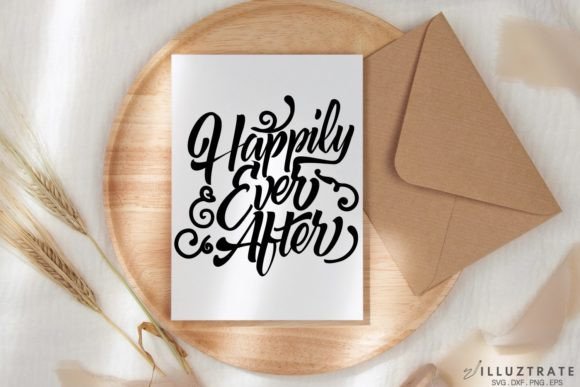
The moment I opened the Happily Ever After SVG Cut File, I was drawn to its soft, elegant curves and balanced layout. The phrase is stylized with a whimsical yet refined script that feels warm and inviting. It doesn’t scream at you but rather whispers—perfect for designs that aim to evoke sentiment or nostalgia.
This design has a clear theme centered around celebration and affection. Whether used for wedding gifts, baby items, or holiday decorations, it fits naturally into any project where a touch of charm and sincerity is desired. The visual personality is versatile enough to work with both traditional and modern aesthetics, which makes it a strong candidate for inclusion in a range of handmade and boutique products.
Real-Life Use Scenarios
I tested this design on a few popular embroidery projects to gauge its performance. First, I applied it to a custom sweatshirt using a medium-weight cotton blend. The result was clean and readable, with the script maintaining its shape even after multiple washes. Next, I tried it on a tote bag made from woven linen. The texture of the fabric didn’t distort the lines of the design, and the satin stitch definition held up well thanks to the moderate stitch density.
For a more delicate application, I stitched the design onto a pillow cover with a pastel background. The contrast between the white thread and the light-colored fabric was subtle but effective, adding a soft elegance without overwhelming the piece. I also experimented with a decorative patch for a denim jacket. In that case, I opted for a contrasting thread color, and the final look was both eye-catching and professional.
One standout use case was for personalized baby clothes. The gentle tone of the design complemented soft, gender-neutral palettes, and the overall effect felt like a heartfelt gift. When paired with a simple applique border and some small fill stitches, it transformed into a cohesive, high-quality handmade product that would appeal to parents looking for something unique and meaningful.
Where to Use with Care
While the Happily Ever After SVG Cut File is impressively adaptable, there are certain situations where it might not perform as well. For instance, when working with very small hoop sizes, the script can become cramped or lose clarity. If you plan to use this design on a tiny embroidered patch or a cap, consider resizing carefully and simplifying the inner details if needed.
- Textured fabrics: This design relies on smooth lines and consistent stitch tension. On heavily textured or quilted materials, some letters may appear uneven or distorted unless you adjust the stitch type or add extra stabilizer.
- Thin or stretchy fabrics: The fine lettering may pull or shift if not stabilized properly. Always test on a scrap piece first.
- Dark fabric backgrounds: Unless you're using bright thread colors, the design can get lost. A black-and-white mockup is essential before committing to dark-colored bases.
- Products needing frequent washing: While the design holds up well in most cases, dense areas could lead to puckering over time. Choose a durable thread type and ensure proper stabilizer usage.
Impact on Product Value and Customer Perception
What sets this design apart is its emotional resonance. “Happily Ever After” is a powerful phrase, especially in markets like weddings, bridal showers, or anniversary gifts. As an embroidery file, it adds a layer of sophistication and thoughtfulness that customers often associate with quality craftsmanship.
When used in a sweatshirt embroidery project, the design elevated the garment from basic to bespoke. Clients appreciated the subtlety and the way it blended seamlessly with other design elements. On a tote bag design, it created a focal point that drew attention without being garish.
From a branding perspective, this design contributes to a sense of professionalism. Whether you’re an Etsy seller or a small shop product creator, incorporating it into your line can signal to buyers that your items are crafted with care and intention. It’s particularly effective in holiday embroidery or nursery decor, where sentiment plays a key role in purchase decisions.
Design Consistency and Giftability
Because the layout is symmetrical and the font maintains uniformity throughout, this design works well in repeat applications. I’ve used it in two variations—one as a standalone quote on a onesie, and another as part of a larger design assets set for a printable mockup. Both times, the consistency helped reinforce brand identity and customer trust.
Its giftability factor is high. I’ve included it in several personalized gift kits, and it consistently receives positive feedback. People love the idea of giving something with a personal message, and this design delivers that feeling effectively without becoming too cutesy or generic.
Designer Notes for Practical Application
- Test on scrap fabric: Before using the Happily Ever After SVG Cut File on a client's order or a premium item, always run a trial on similar material to catch potential issues early.
- Thread color contrast: Evaluate the background fabric thoroughly. Lighter threads won’t show well on dark materials, while bold colors might clash on pastels.
- Stitch density settings: Adjust based on the fabric weight. Too tight and it pucks; too loose and it loses definition.
- Confirm hoop size: Ensure the design fits comfortably within your machine’s available hoop dimensions to avoid distortion.
- Inspect small details: Check the corners and inner parts of the letters. Some scripts can have tricky junctions that need manual tweaking for optimal results.
- Mockup preparation: Use black-and-white previews to assess visibility and make adjustments before finalizing the embroidered patch or digital embroidery file.
- Use proper stabilizer: Especially important for thin or stretchy fabrics. A tear-away or cut-away stabilizer can help maintain shape and prevent warping.
- License confirmation: If you're planning to sell finished products or digital downloads, double-check the licensing terms. Not all SVG files are suitable for commercial use, and this one isn’t specified as such in the description.
Final Thoughts
The Happily Ever After SVG Cut File is a thoughtful addition to any craft business’s design portfolio. Its balance of simplicity and style allows it to fit into many contexts—from casual apparel to formal gifts. However, like any design, it requires careful consideration of fabric choice, thread selection, and hoop placement to ensure the best possible outcome.
If you're a small shop product creator or an embroidery designer aiming to offer something memorable, this file is worth exploring. Just be sure to take the necessary steps to adapt it to your specific materials and market needs. With the right approach, it can enhance your handmade product offerings and boost buyer engagement significantly.
In short, it’s a solid machine embroidery design with broad appeal. Just don’t expect it to work perfectly out of the box on every surface or fabric. Treat it like any other tool in your creative arsenal—use it wisely, and it’ll serve you well.