Get Hooked: A Practical Embroidery Design Review
As an experienced embroidery designer and product reviewer, I always approach a new design with both curiosity and caution. “Get Hooked” is one of those designs that catches the eye from the start. The visual theme speaks to a love for the outdoors, fishing adventures, and rustic charm. Whether it’s for a custom sweatshirt or a tote bag design, this SVG file offers a bold yet balanced presence that could easily become a signature element in your handmade product lineup.
First Impressions: Mood and Visual Personality
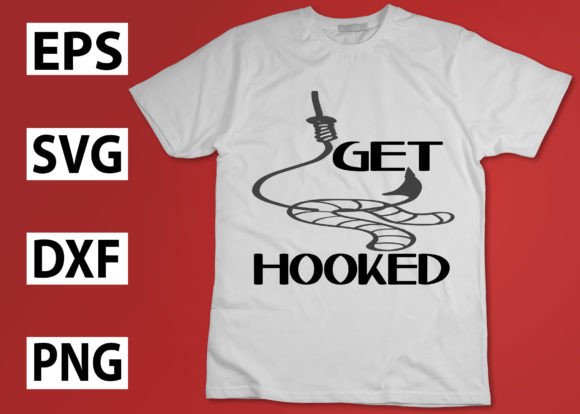
When I first opened the ZIP file containing the EPS, SVG, PNG, and DXF formats, the layout of Get Hooked stood out. It’s not just another generic quote; it has character. The font choice is clean but stylized—something between a classic script and a modern sans-serif. This duality makes it versatile enough for both casual and more refined projects. The accompanying imagery (if included) adds depth without being over-the-top. It feels like the kind of design that would look at home on a fishing-themed holiday gift or a personalized baby item for a little angler.
The detail level is moderate, which is great for most real-life embroidery projects. It doesn’t demand ultra-high stitch density or precision stitching on every curve. That said, if you're planning to use it on small hoop sizes or intricate corners, some tweaking may be necessary. For now, though, the overall impression is positive and promising.
Real-Life Application Scenarios
I imagine Get Hooked working well on a range of items. Custom apparel like sweatshirts and t-shirts could carry this design beautifully, especially when paired with a natural-colored fabric. A tote bag design featuring this phrase would make for a strong Etsy listing, particularly during the summer season or as part of a seasonal collection. Its theme also fits into nursery decor or boutique branding where a touch of outdoor-inspired graphics can elevate the product's appeal.
For commercial embroidery, the design could serve as a branded asset for small shop products such as aprons, pillow covers, or embroidered patches. The simplicity of the layout means it can be adapted across different fabrics and garment types with relative ease. If you’re an Etsy seller or craft fair vendor, consider using it as a decorative accent on kitchen towels or tea towels—its personality adds warmth and uniqueness to everyday items.
Where to Use with Care
- Small Hoop Sizes: While the design is not overly complex, its scale should be considered. Don’t try to shrink it too much without checking how the details hold up.
- Textured Fabrics: The stitch clarity may be affected on flannel, denim, or canvas. You’ll want to test it first to see how it translates into texture.
- Thin or Stretchy Fabrics: Be cautious about stitch tension here. Running stitch areas might cause puckering if not stabilized properly.
- Dark Fabric Backgrounds: The thread color contrast is key. Make sure the colors pop against darker bases or consider white threads for better visibility.
- Curved Surfaces Like Caps: The layout might need slight adjustments for curved surfaces. Test it on a cap mockup before finalizing any orders.
- Dense Stitch Areas: If there are fill stitches involved, check the density. Too tight and it risks damaging delicate materials; too loose and it loses impact.
Customer Reactions and Market Fit
From a customer perspective, Get Hooked is likely to resonate with people who enjoy outdoor activities or appreciate a bit of whimsy in their handmade products. Its bold message works as a conversation starter, especially when used on personalized gifts or holiday embroidery. As a design, it brings a sense of authenticity and intentionality—qualities that handmakers value and customers notice.
If you’re considering this for a commercial embroidery project, think about how it aligns with your brand. It fits naturally into a lifestyle or hobby-based niche, making it ideal for digital embroidery files intended for craft businesses or boutique owners. Just ensure it complements your existing design assets rather than clashing with them.
Visual Appeal and Stitching Clarity
Visually, Get Hooked holds up well in both black-and-white and color mockups. The balance between text and image (if present) allows it to stand out without overwhelming the space. In terms of stitching clarity, the lines and shapes are defined enough to maintain legibility after embroidery. However, I’d recommend inspecting the edges and corners under magnification before sending the design to production.
Thread colors play a big role in the final appearance. The design probably includes multiple shades to add dimension, but if you’re using it on a dark fabric, switching to lighter tones could enhance its visibility. Always review thread color choices based on your target audience and the finished product’s purpose.
Design Notes for Embroidery Professionals
Here are my top tips for using Get Hooked effectively:
- Test on scrap fabric first. Especially if you plan to embroider on stretchy or thin material. See how the stabilizer interacts and whether the design maintains shape.
- Review stitch density settings. If you notice any distortion in fill stitch areas, adjust accordingly. Less dense stitching can sometimes yield a cleaner look.
- Confirm hoop size requirements. If the design isn’t clearly marked for a specific hoop, double-check your machine’s capabilities and adjust the layout as needed.
- Inspect small details. Any tiny lettering or intricate elements should be checked for clarity post-stitching. Sometimes scaling down can cause issues that aren't obvious in the preview.
- Use proper stabilizer. Depending on the fabric type, back or cut-away stabilizers may be required to prevent shifting or puckering.
- Check licensing terms. Before selling finished products or digital embroidery files, confirm the license allows for commercial use. Without clear info, avoid assumptions and reach out to the creator.
Project-Specific Considerations
If you're planning to use Get Hooked on a sweatshirt embroidery project, keep in mind that soft knits require careful handling. Satin stitch sections may need reinforcement to stay smooth through multiple wears. For tote bags, especially those made from cotton or canvas, the design will likely perform well, provided the hoop size is adequate and the stabilizer is correctly applied.
On layered garments or products like aprons, the design might benefit from a slightly larger scale to ensure readability from a distance. Also, for products that undergo frequent washing, such as baby clothes or kitchen towels, durability is essential. Test the design in these conditions to guarantee it retains its shape and vibrancy over time.
Final Thoughts on Value and Use
Get Hooked is more than just a catchy phrase—it’s a design that adds personality and purpose to your embroidery projects. When used thoughtfully, it enhances product value and builds customer trust by showing attention to detail and quality craftsmanship. For hobbyists and makers, it's a fun way to personalize gifts or create unique handmade products that stand out at local markets or online shops.
Its flexibility across different media—from printable mockups to digital product previews—makes it a solid addition to your design toolkit. But remember, no matter how appealing the digital file looks, always take time to test it in real-world conditions. This step ensures that the finished product matches the vision and meets the expectations of your buyers.
In summary, Get Hooked is a strong contender for custom apparel, holiday gifts, and small business merchandise. With the right preparation and understanding of fabric behavior, it can become a reliable design asset in your creative workflow.