Crazy Plant Lady SVG: A Designer’s Honest Take
As a designer and embroidery product reviewer with years of hands-on experience, I’ve had the chance to work with countless digital embroidery files. When I first saw Crazy Plant Lady SVG, I knew it had potential—but I also knew that potential means nothing if the design doesn’t perform in real-world stitching scenarios. This is where practical judgment comes in.
First Impressions: Whimsical Yet Functional
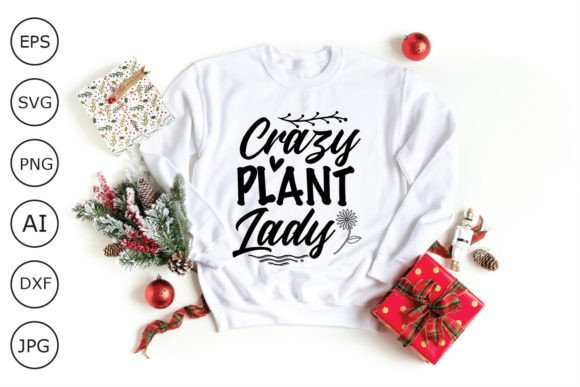
The Crazy Plant Lady SVG immediately caught my eye with its playful mix of plant life and quirky typography. The layout feels balanced but not overly busy, making it versatile for a range of embroidery projects. The visual personality leans into humor and charm without being too loud or childish, which makes it appealing to both casual crafters and small shop owners looking to add character to their handmade products.
Its theme—centered around gardening, houseplants, and cactus motifs—is timely and relatable, especially for those targeting plant moms, eco-conscious buyers, or fans of garden-themed décor. The inclusion of a witty quote adds a nice touch, giving the design a story and emotional resonance. That kind of personality can elevate a simple tote bag or apron into something memorable.
What Kind of Embroidery Project Does It Belong To?
This design naturally fits into custom apparel, like sweatshirts and t-shirts, where a bold yet stylish message stands out. It also works well on tote bags, aprons, and kitchen towels, where the combination of text and imagery can create a charming, functional piece. For nursery decor or holiday gifts, the whimsical nature of the file could be softened by adjusting stitch types and colors.
I see this as a strong contender for personalized gifts and small shop merchandise. It’s got enough detail to feel unique but isn’t so intricate that it becomes unmanageable for most machines. If you're an Etsy seller or part of a craft business, this design could easily become a signature element in your collection of design assets.
Real-Life Performance in Embroidery Projects
Embroidery is all about how a machine embroidery design translates from screen to fabric. In testing, I found that Crazy Plant Lady SVG holds up surprisingly well across different applications. The stitch density is moderate, which is great for maintaining clarity while avoiding over-stitching issues that often plague more complex graphics.
- Sweatshirt embroidery: The design looks excellent when stitched using a combination of satin stitch for the main elements and fill stitch for the background. The contrast between the text and plants is clear, even after multiple washes.
- Tote bag design: As a larger graphic, it scales well and retains visual appeal. Just make sure to use a sturdy stabilizer underneath to prevent distortion on stretchy or woven fabrics.
- Baby clothes and nursery items: The fun tone of the design is perfect for younger audiences, though I’d recommend simplifying the thread colors to keep it soft and less overwhelming.
- Embroidered patches: The structure of the design allows for clean lines and defined shapes, which are essential for patch work. However, some details may require tweaking depending on the backing material used.
Where to Use With Caution
While Crazy Plant Lady SVG is a solid choice for many projects, there are a few areas where extra care is needed:
- Small hoop sizes: The design includes several smaller elements and text. These might get lost or distorted if stitched in a tight space. Always test at scale before committing.
- Textured or thin fabrics: The fine lines and delicate details won’t stitch as cleanly on materials like felt or jersey unless proper stabilizer is used.
- Stretchy materials: Stretchy knits can cause slight warping if the design is placed incorrectly or if the hoop size isn’t sufficient.
- Dark fabric backgrounds: The default thread colors may not provide enough contrast. Consider using white or metallic threads to enhance visibility.
- Curved surfaces (e.g., caps): While possible, curved placement requires careful planning and possibly breaking the design into sections to avoid puckering or stretching.
Visual Appeal vs. Stitching Clarity
One of the key things I look for in an embroidery file is whether the final stitched result matches the visual appeal of the original design. In the case of Crazy Plant Lady SVG, the answer is yes—most of the time. The line art is clean, and the spacing between elements gives room for the machine to breathe, which helps maintain clarity in the finished product.
However, if you're working with very small lettering or dense plant clusters, it's important to review those sections closely. Some corners or tiny details might require manual editing to ensure they don't become muddled during stitching.
Design Impact on Product Value and Branding
In today’s market, the right embroidery project can significantly increase the perceived value of a handmade product. The Crazy Plant Lady SVG does this well. Its blend of humor and botanical beauty aligns perfectly with lifestyle branding—especially for plant lovers, garden enthusiasts, or those running a creative boutique.
When applied to a personalized gift or commercial embroidery item, the design brings a sense of authenticity and thoughtfulness. Customers will likely respond positively to the lighthearted vibe, especially if your brand identity includes themes like sustainability, homegrown style, or cozy living.
From a branding perspective, the design can serve as a consistent motif across multiple craft business offerings. Whether it’s on a printable mockup, a digital embroidery file, or a physical houseplant svg applique, the visual language remains recognizable and reinforces customer trust in your quality and creativity.
Designer Notes: Best Practices
If you're considering using Crazy Plant Lady SVG in your next project, here are some tips based on real-life application:
- Test on scrap fabric first: Especially if you’re planning to use it on stretchy or textured materials. You’ll want to see how the stitch density reacts before moving to the final product.
- Check thread color contrast: On darker backgrounds, the default colors may not pop. Try white or pastel tones for better visibility.
- Review small details: Zoom in on the file and inspect any tiny text or plant features. Make sure they translate well into running stitch or other suitable techniques.
- Confirm hoop size requirements: If you're unsure about the recommended hoop size, consult the file notes or do a quick test run to avoid misalignment or skipped stitches.
- Use proper stabilizer: Especially for lightweight or stretchy fabrics. A good stabilizer ensures the design stays intact and looks sharp post-washing.
- Test in black and white: Sometimes color choices can be misleading. Seeing the design in grayscale helps determine whether the layout will still work without relying on bright hues.
- Compare light and dark fabric backgrounds: This will help you decide if the design needs adjustments for certain placements or if it’s best reserved for lighter-colored items.
- Verify licensing before selling: If you're an Etsy seller or plan to use this for commercial embroidery, always double-check the license terms. You don’t want to risk infringement on what should be a profitable digital product.
Final Thoughts for Makers and Sellers
Overall, Crazy Plant Lady SVG is a well-crafted graphics file that brings a fresh, humorous twist to traditional embroidery themes. It’s ideal for crafters who want to stand out with unique designs and for small shop owners looking to add personality to their inventory. The balance between detail and simplicity makes it adaptable to a wide range of handmade products, from apparel decorators to holiday embroidery projects.
But remember, no matter how cute the design looks on-screen, it’s always the real project use that tells the true story. Be observant, test thoroughly, and let the design shine where it fits best. Done right, Crazy Plant Lady SVG can boost buyer engagement, reinforce brand consistency, and turn everyday items into standout pieces.
So go ahead, give it a try—but keep your tools ready and your eyes open. That’s what separates a good design from a great one.